Sumptuous dresses, delicately arranged bouquets, processions outside the church or newlyweds proudly posing for the photographer… Wedding-themed postcards tell much more than a love story. They also bear witness to the evolution of fashion and traditions.

From colourful dresses to the essential white wedding dress
In the 18th century, there was not yet really such a thing as a dress reserved for weddings. Women generally married in an elegant outfit in keeping with the fashion of the time and their social background.
White truly became established in the 19th century. Queen Victoria’s wedding to Prince Albert in 1840 played a decisive role in popularising it. Her white satin dress trimmed with lace captured the imagination and inspired future brides. However, colourful dresses, which were easier to wear again afterwards, remained common for a long time among the less affluent.
Throughout the 20th century, wedding dresses followed changes in fashion: shorter, simpler lines in the 1920s, romantic silhouettes after the war, generous volumes in the 1980s… All these changes can be seen immortalised in photographs and postcards.
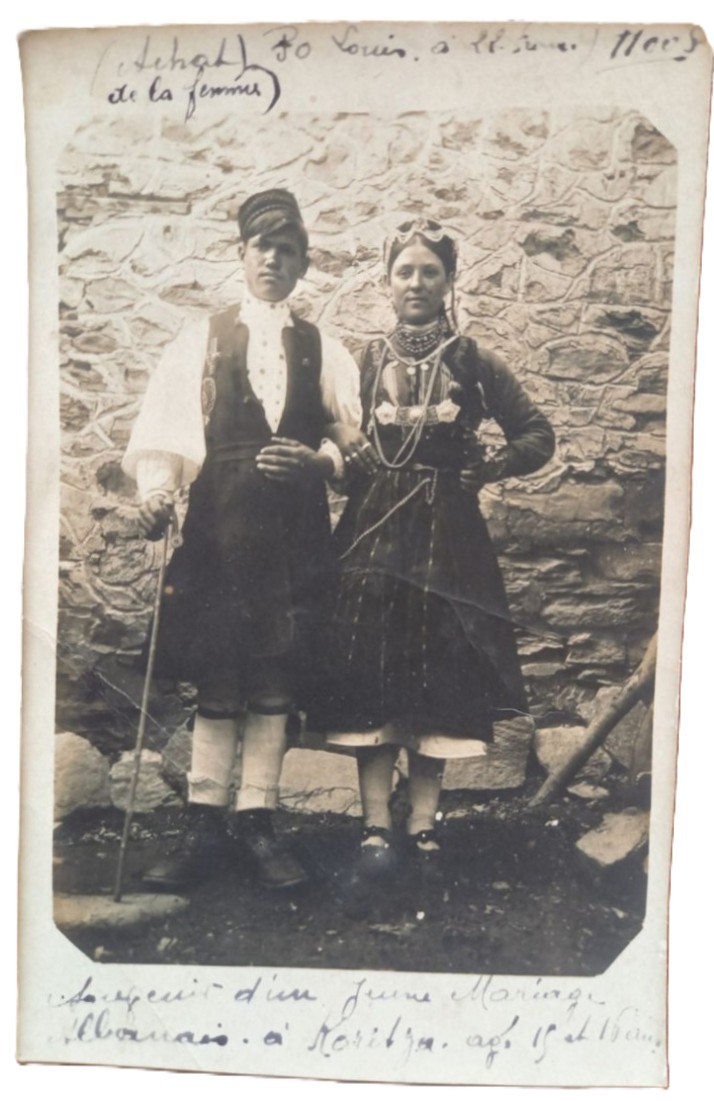
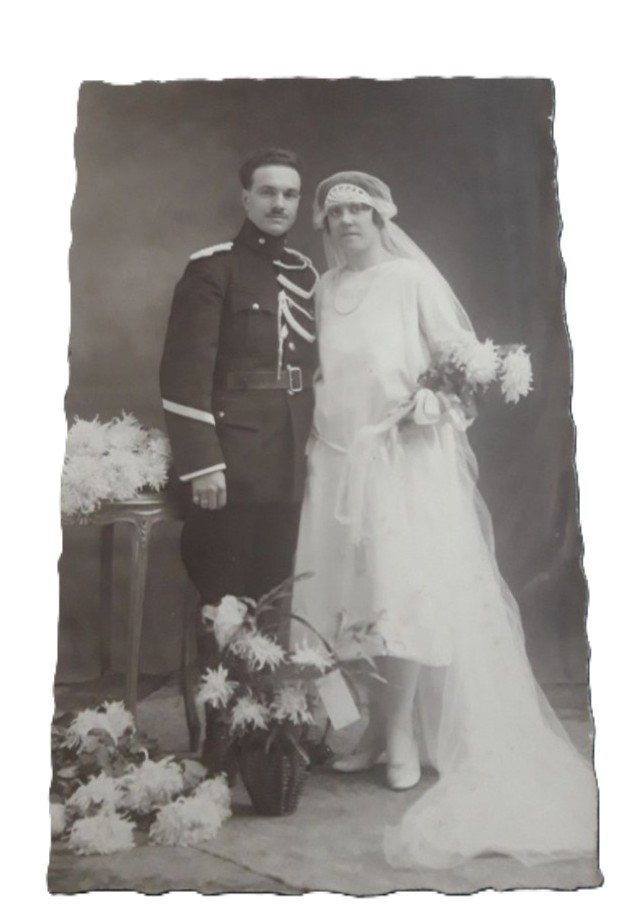
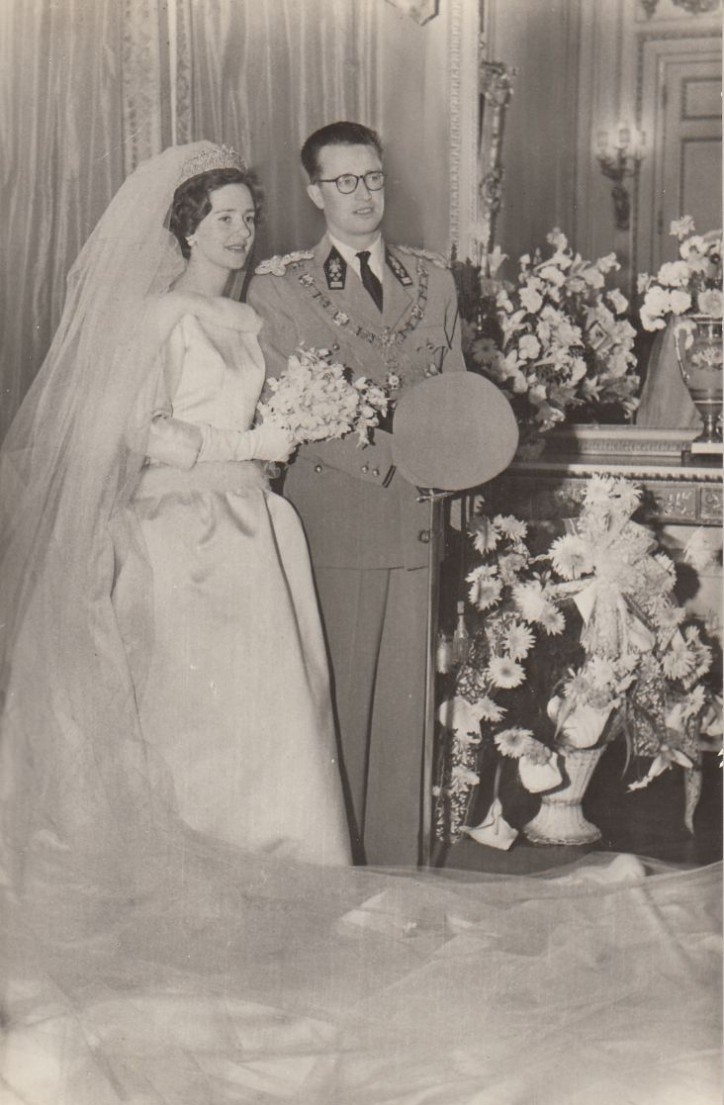
Traditions passed down through the generations
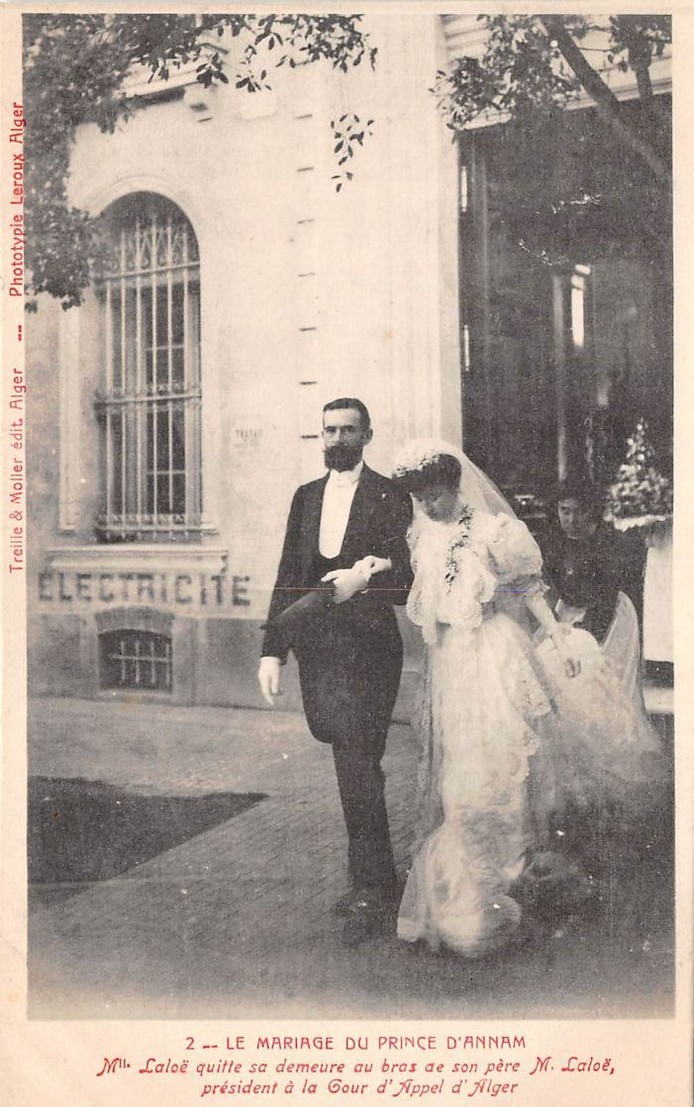
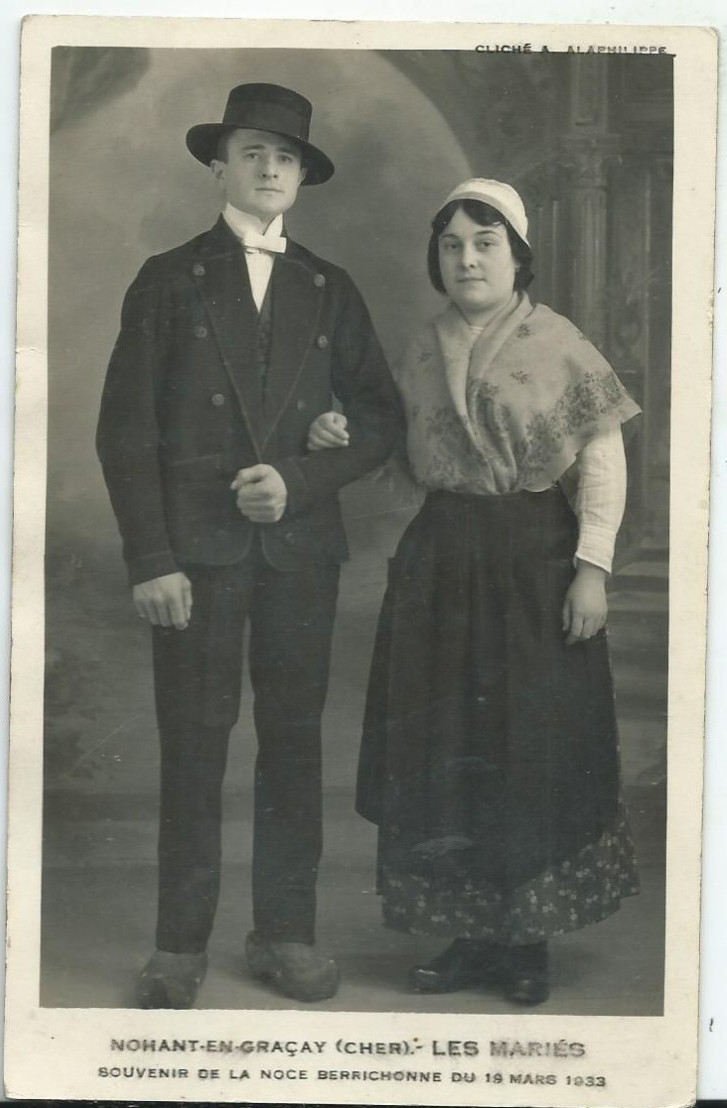
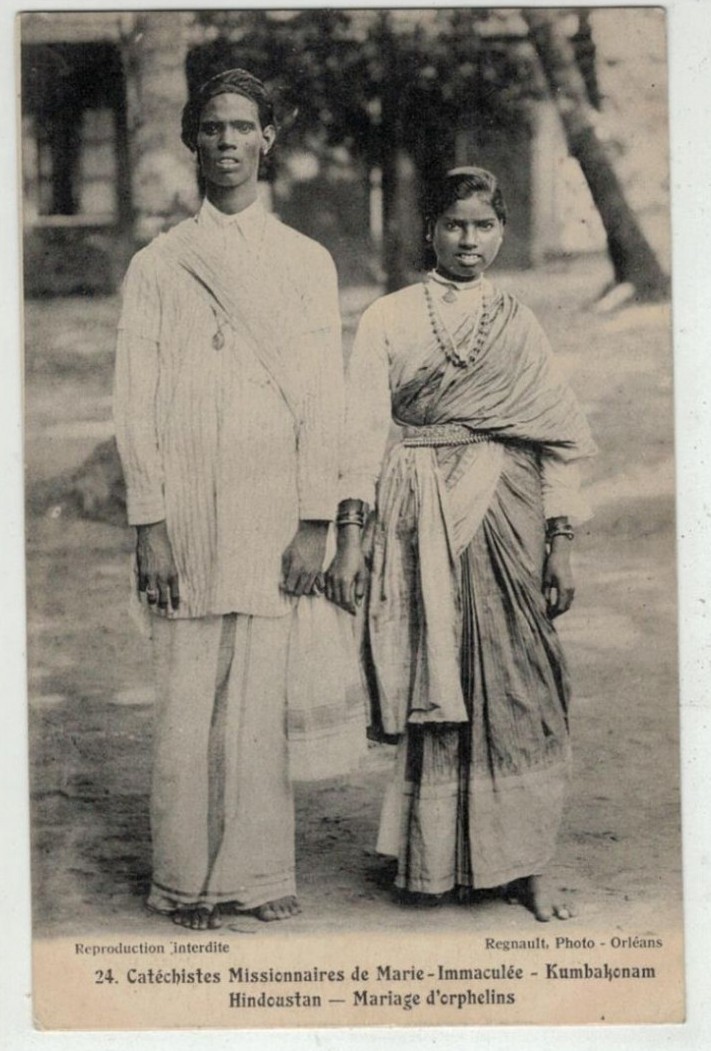
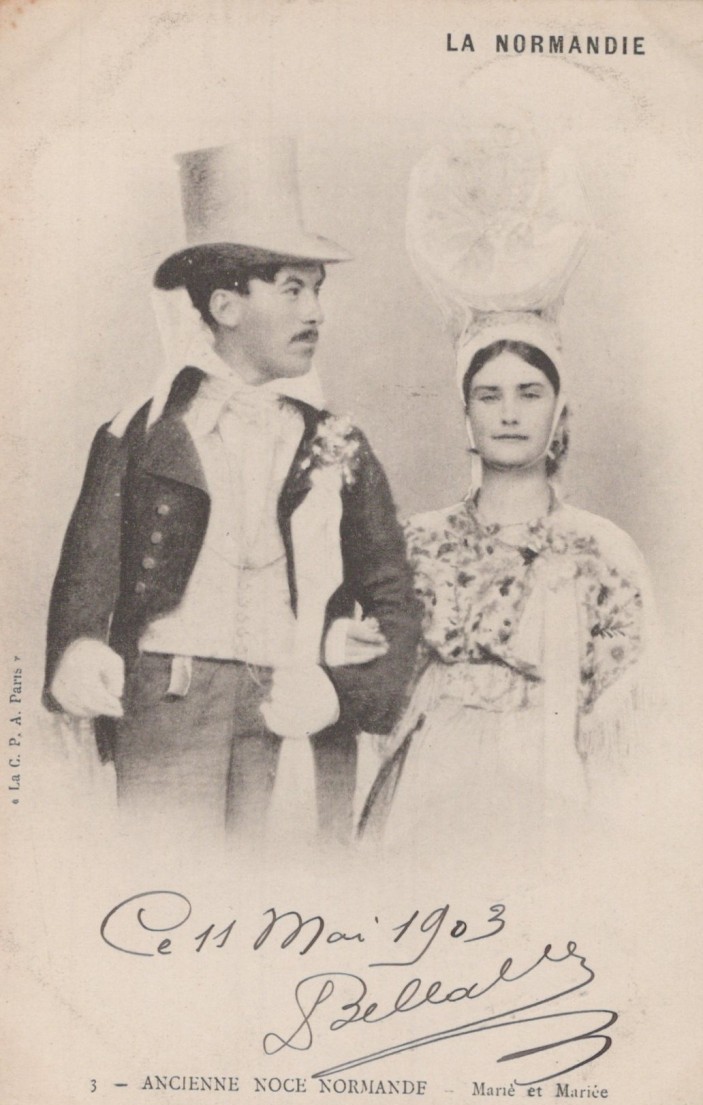
Weddings are also steeped in tradition. The bridal bouquet, veil, flowers, procession or the newlyweds leaving the ceremony: every era has its own customs. Some traditions also vary by region and country, making their depiction particularly interesting to observe.
And that is precisely what makes wedding postcards so interesting. An outfit, a hairstyle, a bouquet, a decorated car or a crowd gathered outside a town hall can all provide clues for dating a scene and discovering the customs of days gone by.
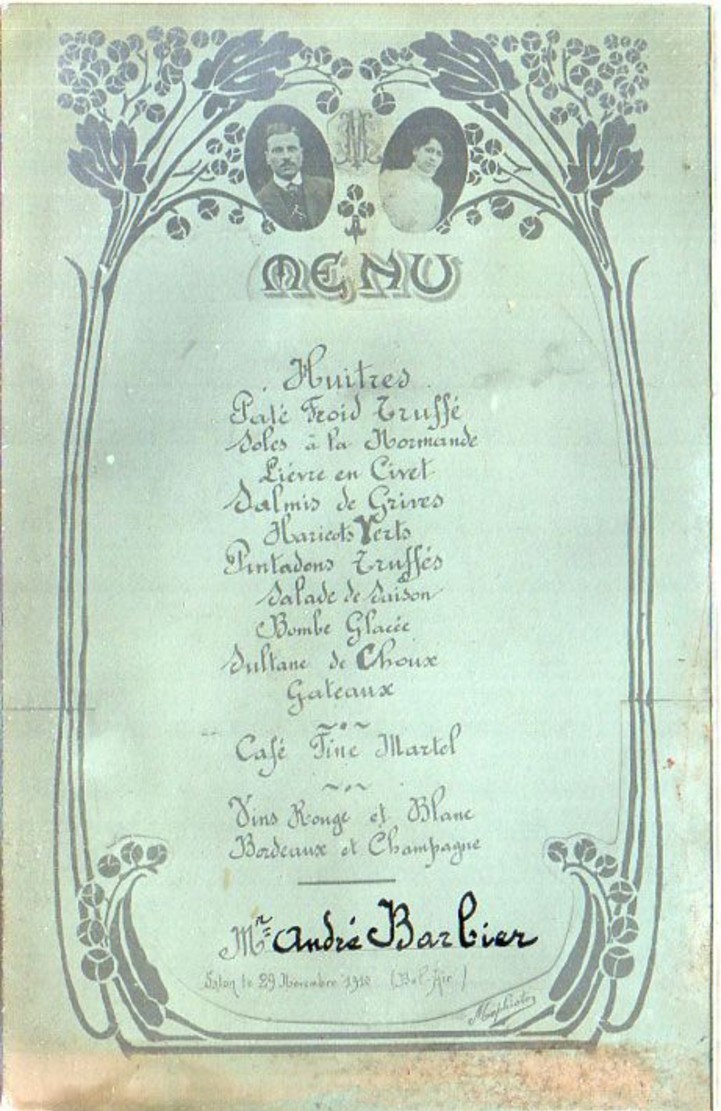
For collectors, each card is therefore a small window onto an era. Elegant or even royal weddings, humorous scenes, menus, portraits of young couples or village ceremonies make it possible to build collections that are as varied as they are personal.
On Delcampe, the marketplace for collectors, old wedding-related postcards offer the chance to search for these little fragments of history… and perhaps to start a new collection. Discover them!
Article written and translated with the help of AI