Victoria: The story of a reign and the art of hairstyling
Pierre Buhot presents this original article on the evolution of Queen Victoria's appearance throughout her reign.
Queen Victoria coins are not simply collectables; they are living portraits of an era. Between 1837 and 1901, her reign transformed the United Kingdom into an industrial and colonial empire, while also shaping the codes of fashion and royal representation.
Through five iconic coins, her hairstyles reveal her personal evolution, from carefree youth to lifelong mourning, as well as the trends of a century in which hairstyling was a social language. This article is aimed at collectors, history enthusiasts and those with an interest in general culture, for whom every detail matters.
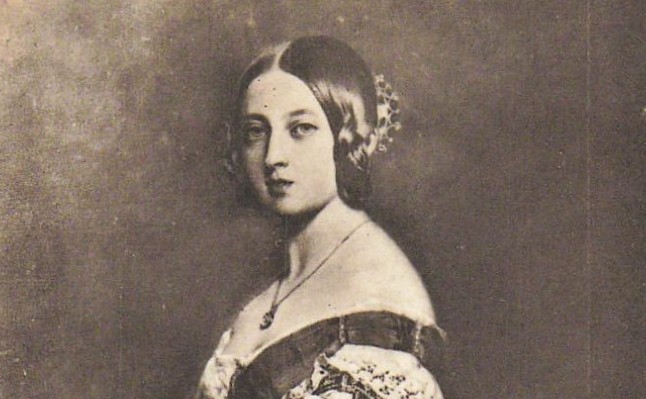
1839 (aged 20): Neoclassical youth
Style: Young Head (Young Head) | Hairstyle: Hair smoothed into a low bun, without ornament.
At the beginning of her reign, Victoria was a young queen close to the people. Her coronation took place in 1838. The simple, natural hairstyle reflects the Neoclassical ideals (inspired by ancient Greece) fashionable in the 1830s and 1840s. No crown or tiara: an approachable, unadorned queen.


1844 (aged 25): Romantic elegance
Style: Bun Head (Bun Head) | Hairstyle: Low bun with side curls.
Married to Prince Albert (1840) and the mother of several children, Victoria embodied Romantic femininity. Side curls were typical of the 1840s, a period when hairstyles became more ornate (under French influence). An elaborate hairstyle, symbolising her status as a married and beloved queen.
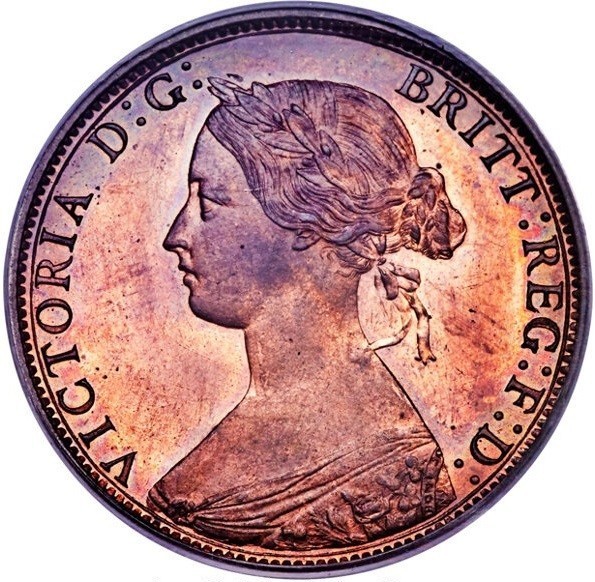
1860 (aged 41): Imperial maturity
Style: Dieu Grâcia (By the Grace of God) | Hairstyle: Structured hairstyle with a tiara or crown.
The British Empire was at its height. The United Kingdom dominated economically and militarily. The tiara emphasises her authority and the stability of the monarchy. The rigid, structured hairstyle reflects an era of power. The addition of the tiara marks a turning point: Victoria is no longer a young queen, but an undisputed sovereign.

1887 (aged 68): The Jubilee and lifelong mourning
Style: Jubilee Head (Jubilee Head) | Hairstyle: Crown and partially visible veil.
50 years on the throne (Golden Jubilee). Victoria had been Empress of India since 1877. The black veil, worn since Albert’s death in 1861, became a symbol of loyalty and resilience. The crown recalls her uninterrupted power. The veil transforms her image into that of a pious and grieving queen, yet one who remains powerful.
1895 (aged 76): The end of an era
Style: Veiled Head (Veiled Head) | Hairstyle: Full veil and crown.
Victoria was the senior monarch among Europe’s sovereigns and Empress of India. Her reign was drawing to a close. The black veil completely covers her hair. It embodies her enduring mourning for Albert, as well as her loyalty to her values. A solemn and timeless image of a queen who left her mark on history through the length of her reign and the strength of her character.
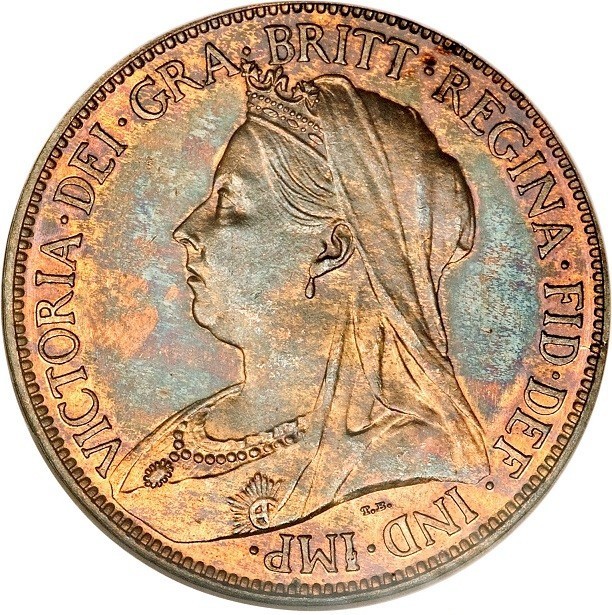
Conclusion: A legacy in metal and hair. The details of the hairstyles (such as strands of hair, ribbons or folds in the veil) were made possible by the improvement of coin-engraving techniques in the 19th century.
Victoria’s coins are visual testimonies to an era when hairstyling was a language, and when a queen knew how to use her image to reinforce her power and connect with her people.
From Neoclassical youth to the veil of lifelong mourning, these five coins alone encapsulate 64 years of history, fashion and symbolism. For collectors, they offer a unique opportunity to hold in their hands the different facets of a legendary sovereign.
Coins tell history. Discover coins featuring Queen Victoria on Delcampe!
Article translated by AI