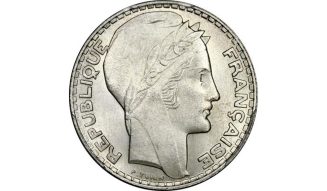
Once again, Pier2 provides answers to the questions numismatists are asking. Today, he brings his research and expertise to bear on ‘blistered’ coins!

Collectors are sometimes puzzled when they see blistersforming on the surface of aluminium coins minted during or after the Second World War; a period when aluminium was used due to the requisitioning of strategic metals.
To maintain its production of war material, the German army requisitioned all non-ferrous metals in the occupied countries. In terms of currency, this led to some ingenuity, as the metals intended for minting coins were requisitioned.
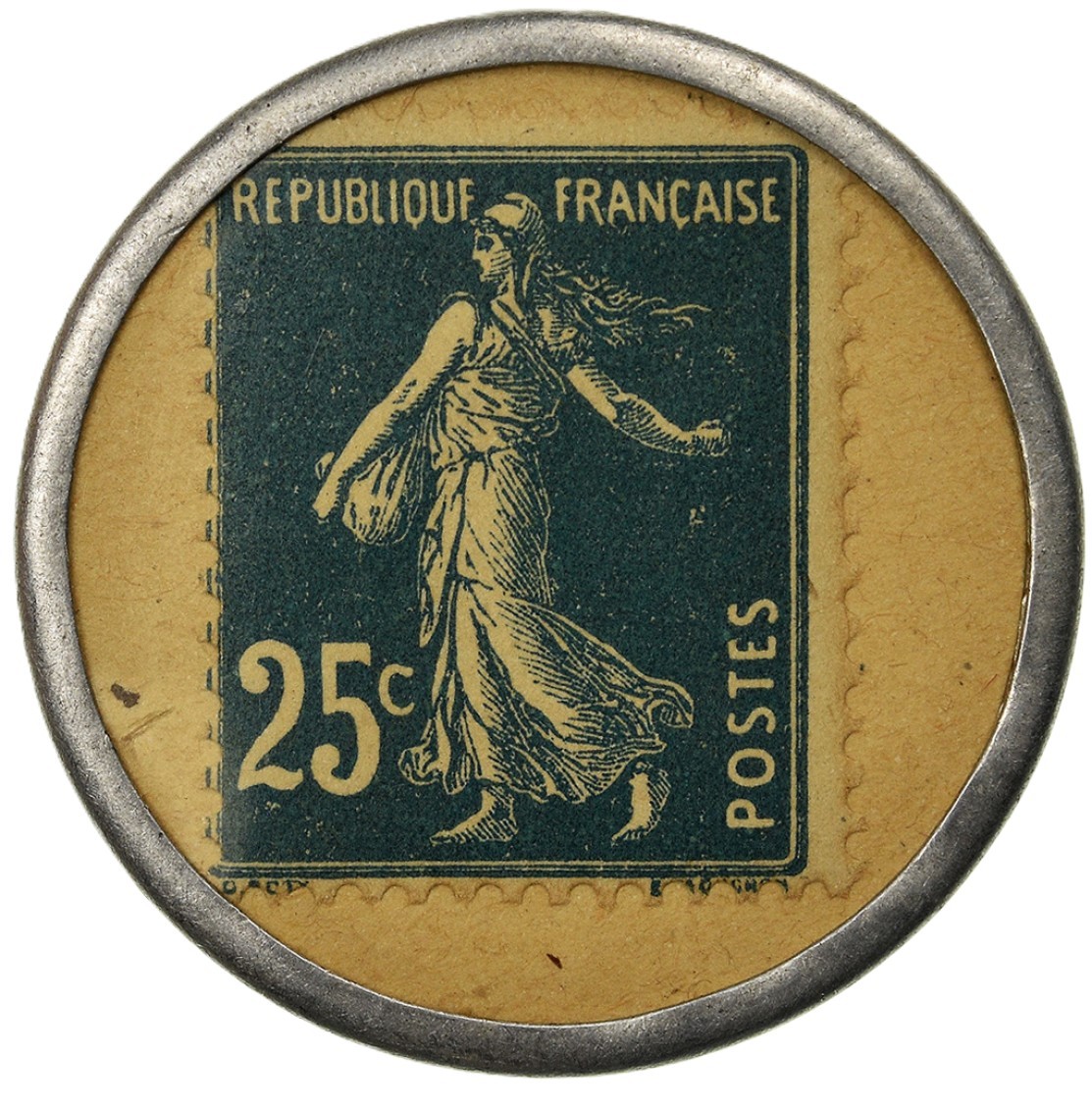
This led, amongst other things, to the creation of stamp money and other forms of currency made from non-ferrous materials (cardboard, aluminium, etc.), known as necessity money. To find out more on this subject, we invite you to read this article.
It is time to explain the blisters observed on the surface of aluminium coins. A phenomenon known as “pitting corrosion” or “cavitation corrosion“, which is typical of aluminium coins exposed to moisture and oxygen over long periods.
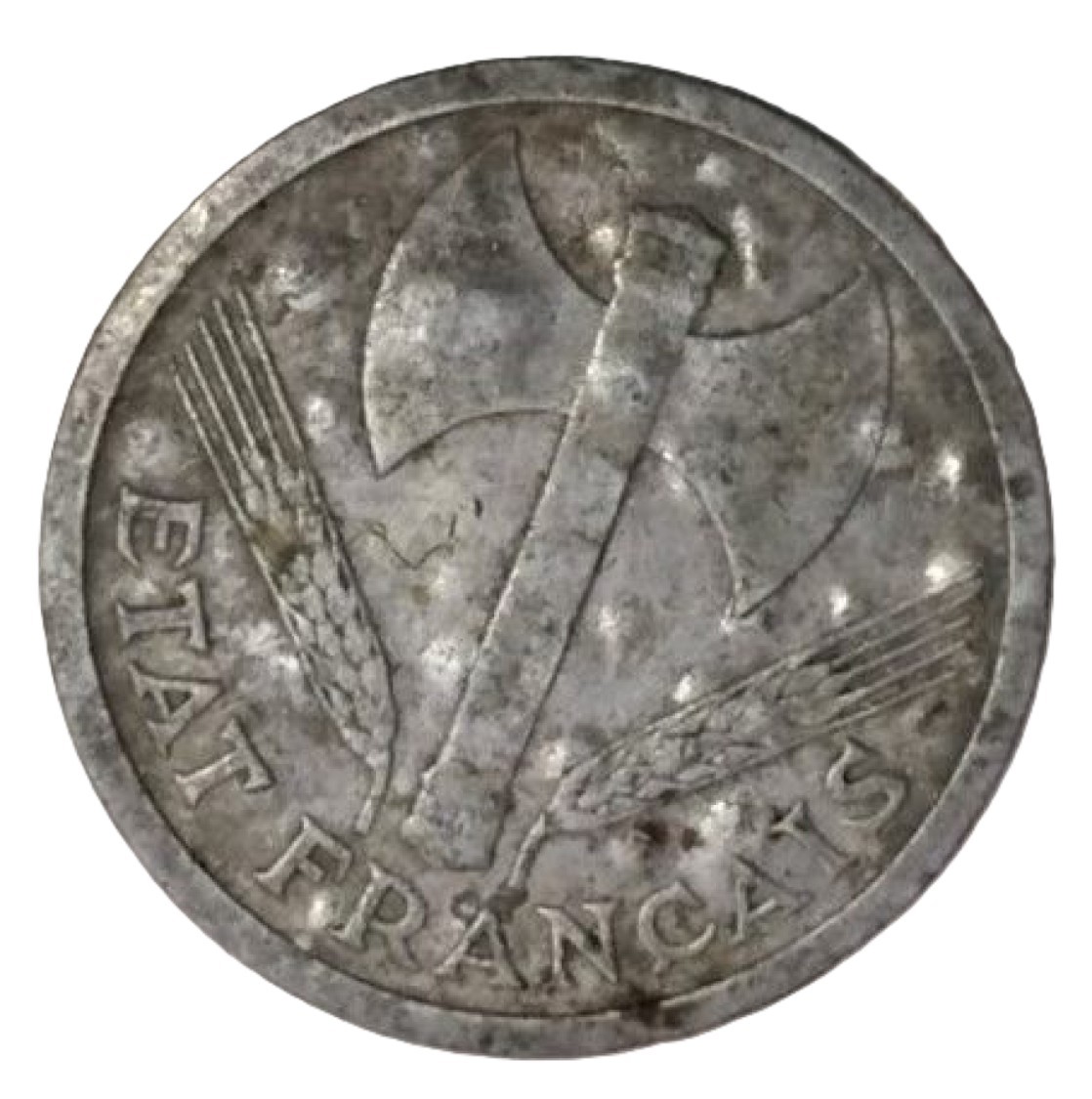
Aluminium reacts with oxygen to form a layer of aluminium oxide on the surface, which normally protects the underlying metal. However, in the presence of moisture or impurities (such as salts or acids), this layer can be locally damaged.
– Water or moisture seeps into micro-cracks in the oxide layer.
– An electrochemical reaction occurs between the aluminium and oxygen, forming aluminium hydroxide. This process generates internal pressure, which pushes the metal outwards and creates blisters.
– Corrosion products (such as aluminium hydroxide) occupy more volume than the original metallic aluminium, causing visible deformation on the surface.
Coins stored in cardboard boxes in a damp environment are more vulnerable. Consequently, used aluminium coins must be stored in a dry environment (ideally in a neutral plastic capsule).
Of course these ‘blasted’ coins have lost all numismatic value, and their corrosion is inevitable; this is why we can only encourage collectors to guard against damp by choosing suitable solutions to prevent any loss of value!
Discover the Delcampe Coins category!