Pier2 introduces us to an international currency that forms part of numismatic history: the 8-reales coin (or “piece of eight”)!

The piece of eight was a Spanish silver coin widely used in international trade, particularly in Latin America and Asia from the 17th to the 19th century.
Known as the Spanish dollar by Americans or the Spanish crown by the British, this 39 mm-diameter coin was minted by the Spanish Empire after 1598 to align with the thaler, the continental currency of the Holy Roman Empire, which was linked to the Habsburgs who ruled a vast territory at the time.
The piece of eight was widely used by many countries as an international unit of account for commercial transactions because of its uniformity, but above all because of Spain’s power and its exploitation of the newly discovered South American silver mines. Spain’s territories in the Americas were the source of more than three quarters of the silver produced worldwide.
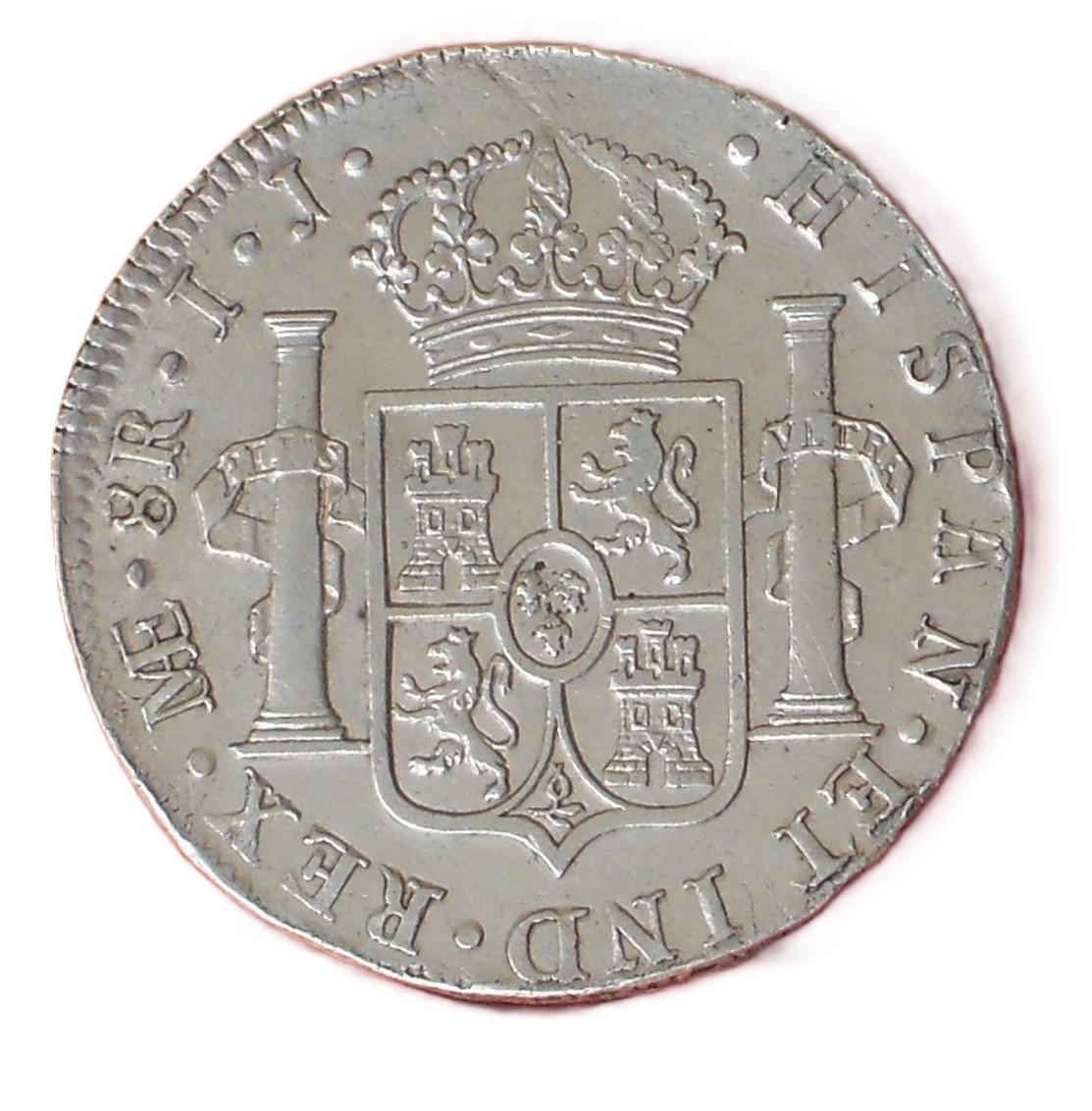
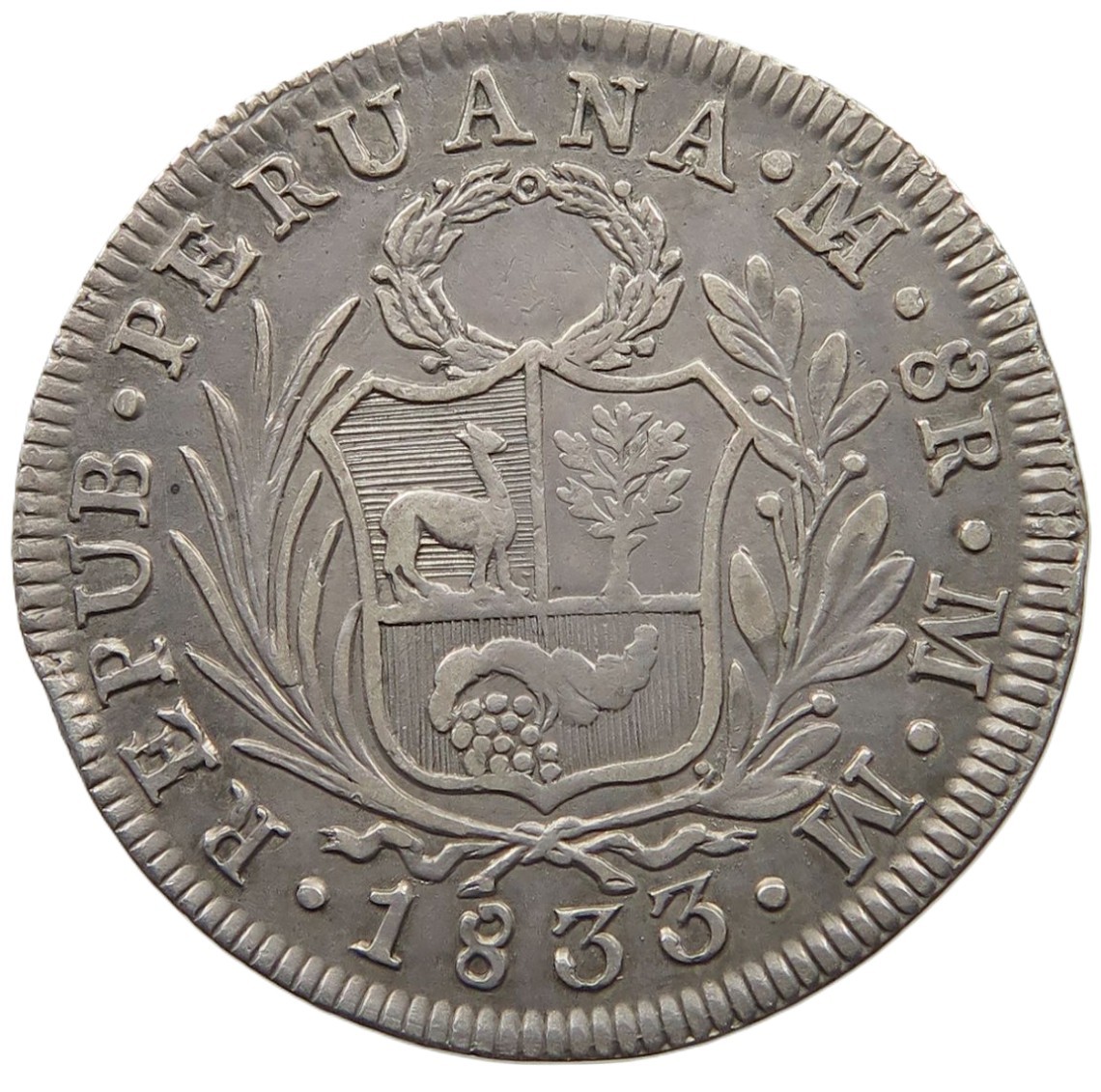
Historical reminder : The piece of eight was the coin on which the US dollar was based, and it remained legal tender in the United States until the “Coinage Act of 1857”. Through its use in Europe, the Americas and the Far East, it became, in a way, the first international trading currency at the end of the 17th century.
In the 19th century, some countries countermarked Spanish pieces of eight to officially authorise their circulation as local currency. Several Latin American currencies were also initially based on the piece of eight.
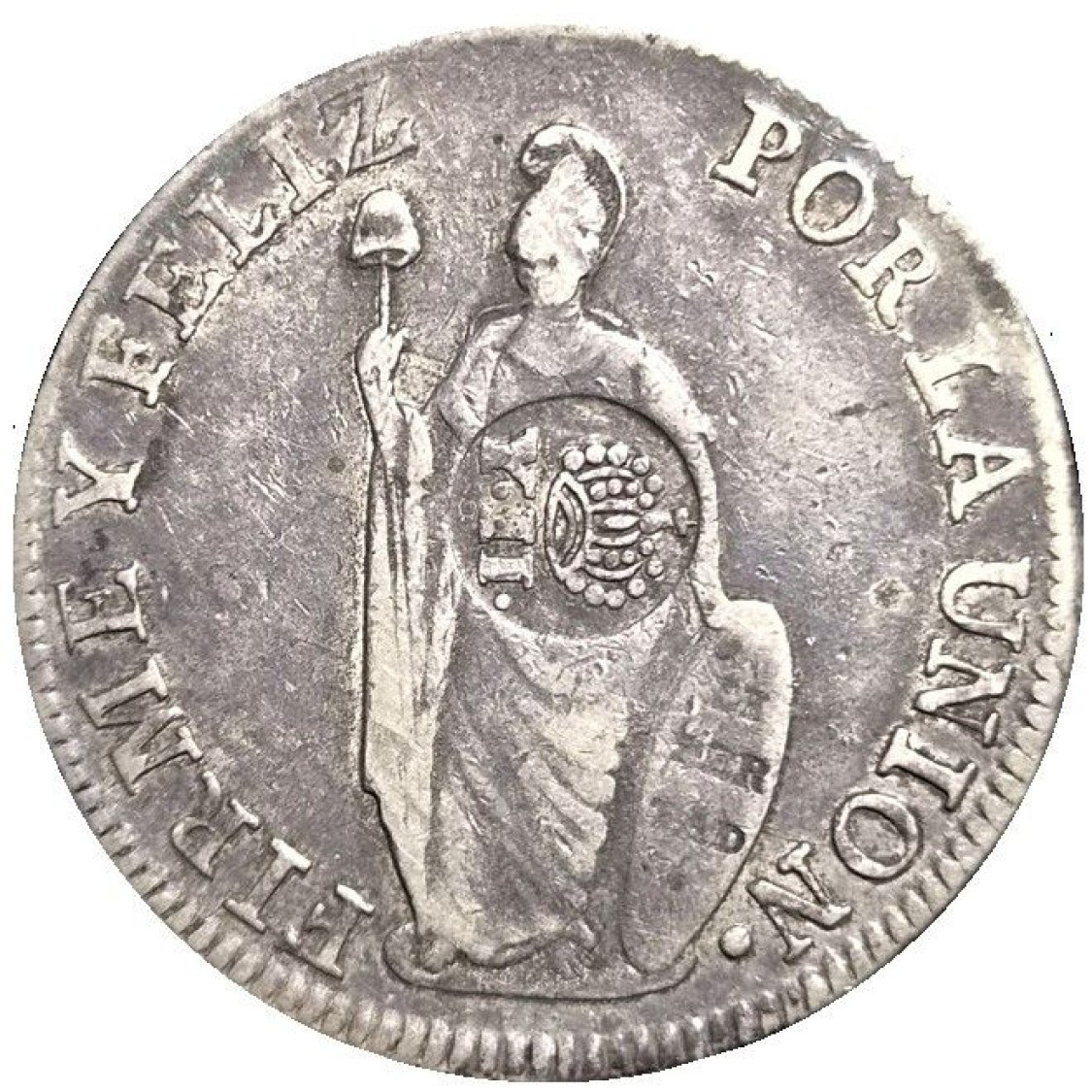
One example is an 1834 Peruvian Republic-type 8 Reales coin, which became an official emergency currency in the Philippines. A 903‰ silver coin weighing 27.07 g and measuring 38 mm in diameter, it has the large format typical of Spanish 8-reales coins. An opportunity!
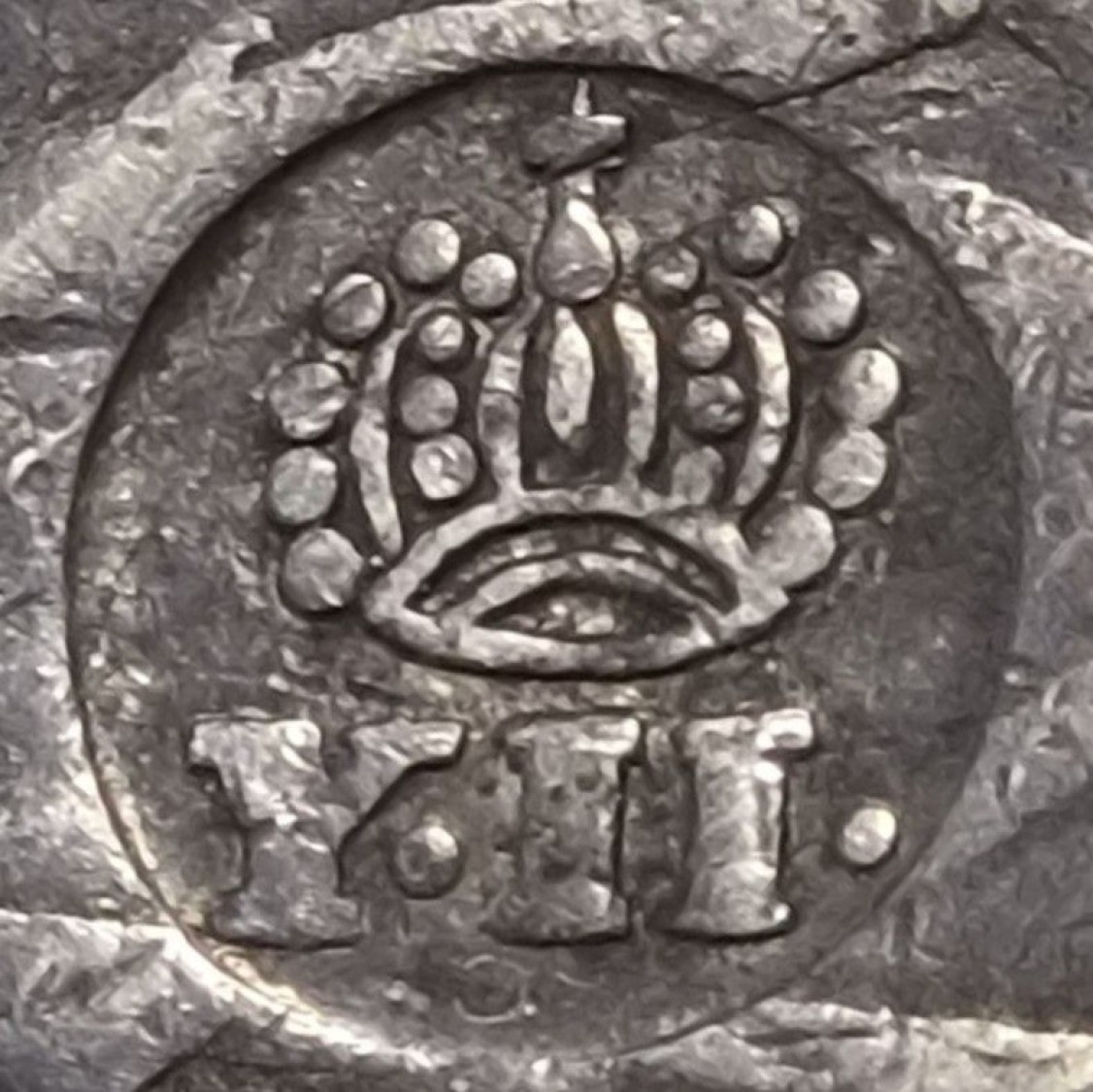
This coin of Peruvian origin was countermarked on the obverse with a Y • II • stamp topped by a crown for Isabella II, Queen of Spain from 1833 to 1868. Today, it is listed among the coins of the Philippines from the period when the country was a Spanish colony.
Coins countermarked for the Philippines are sought after by collectors, especially when the countermark is clear and well centered.
The coin presented here offers fascinating evidence of global monetary history and the links between Spain, Latin America and Asia in the 19th century.
Discover the Peruvian pieces of eight for sale on Delcampe!