
Thank you to pier2 for sharing his knowledge of numismatics with us! Today, we are travelling to Lesotho to discover their small numismatic collection, including Mokorotlo coins.
When the Republic of South Africa was created in 1961, Lesotho remained separate, autonomous under British protectorate, and under the name Basutoland. In 1966, Basutoland became independent and took the name Lesotho. Since then, the country has been a unitary constitutional monarchy with a parliamentary system, in which the king, currently Letsie III, plays a largely symbolic role.
In the Kingdom of Lesotho, which is entirely landlocked within South Africa, very few coins have been put into circulation. It should be noted that after using British currency until 1920, they used South African currency until their independence in 1966. Although the loti can be said to have been born during this period, the country’s own currency did not really come into circulation until 1979. It consists of a set of five denominations (1, 2, 5, 10 and 25 lisente). The first loti coin, the 1 loti coin, was issued the following year.
This small kingdom is economically dependent on South Africa. The loti has been the official currency of Lesotho since 1979. (1 loti = 100 lisente) Its value is pegged to that of the South African rand, which is also used.
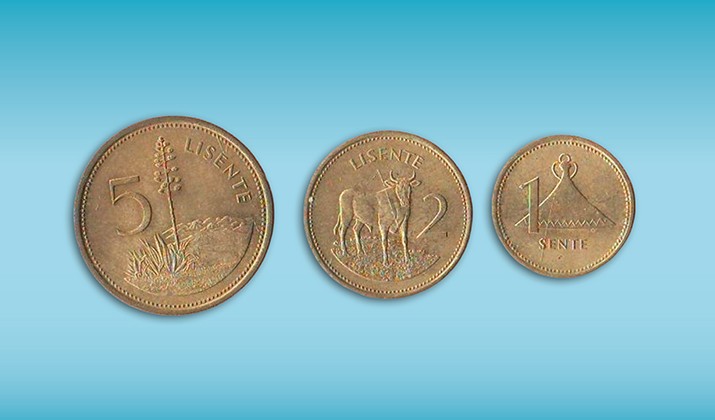
One of the very first coins, a 1 sente coin from 1979 featuring King Moshoeshoe II, has an interesting detail on its reverse side that deserves our attention: “The Mokorotlo”.
The Mokorotlo is a traditional Sotho straw hat, the national emblem of Lesotho and the Basotho and Lesotho peoples. As on the 1 cent coin (at the beginning of the article), its image appears on the flag and vehicle number plates of Lesotho. The mokorotlo was probably adopted in the early 20th century, when chiefs began wearing this hat.
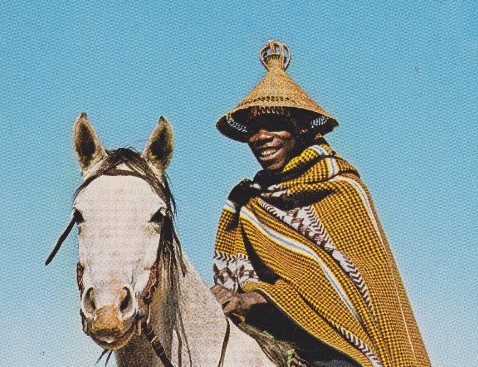
Traditionally, the Sotho display the mokorotlo in their homes, indicating that they respect customs.
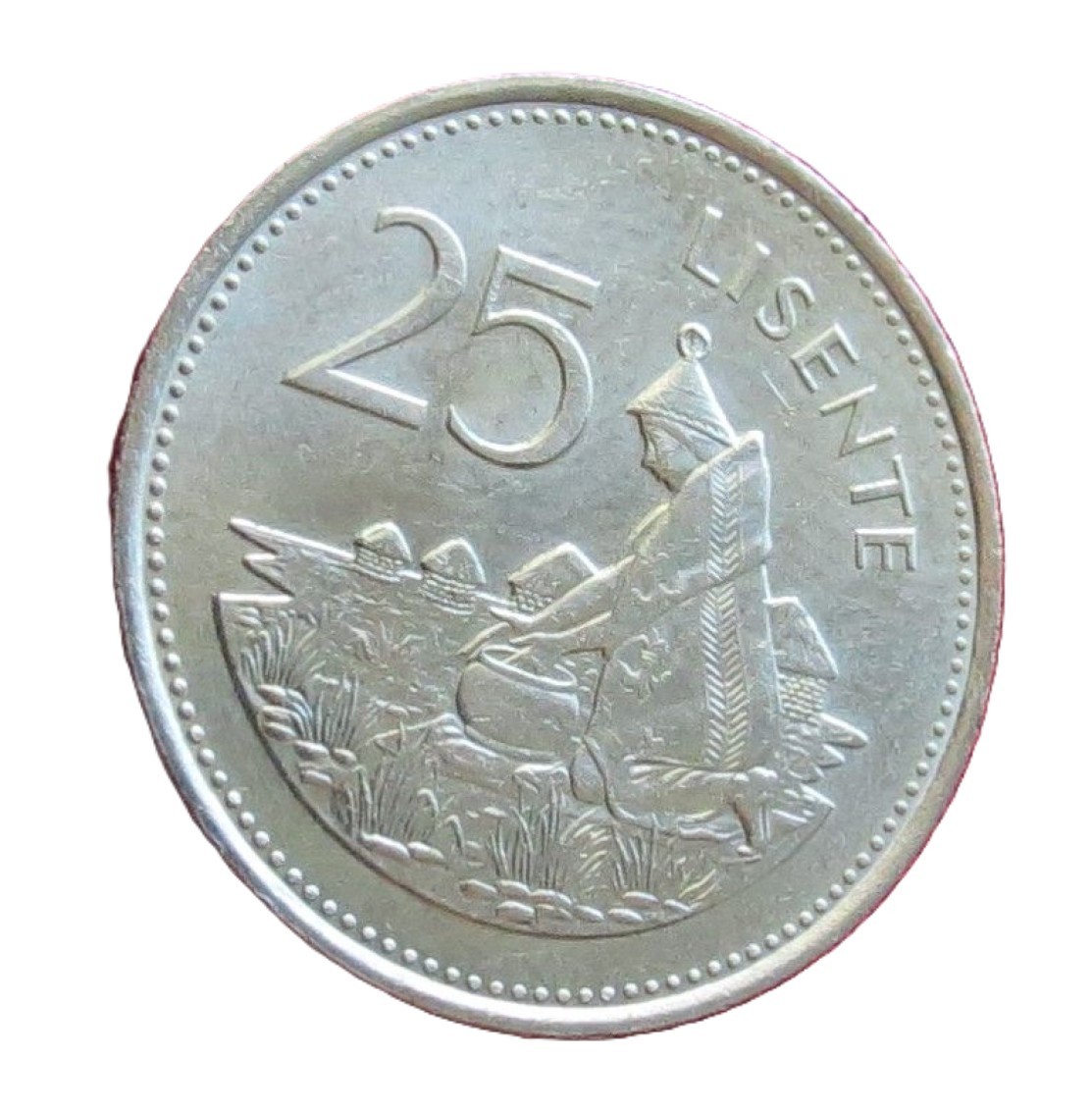
Another 25 lisente coin from the same year depicts a woman basket weaver in traditional dress wearing the Mokorotlo hat.





It’s fascinating to learn about the numismatic journey of Lesotho, especially how its currency history reflects the broader political shifts in the region. The fact that the loti only truly entered circulation in 1979 adds a layer of intrigue to understanding the country’s economic independence. Thanks for highlighting this lesser-known piece of coinage history!